
Composite vs Porcelain Veneers: Which Is Right for Your Smile?
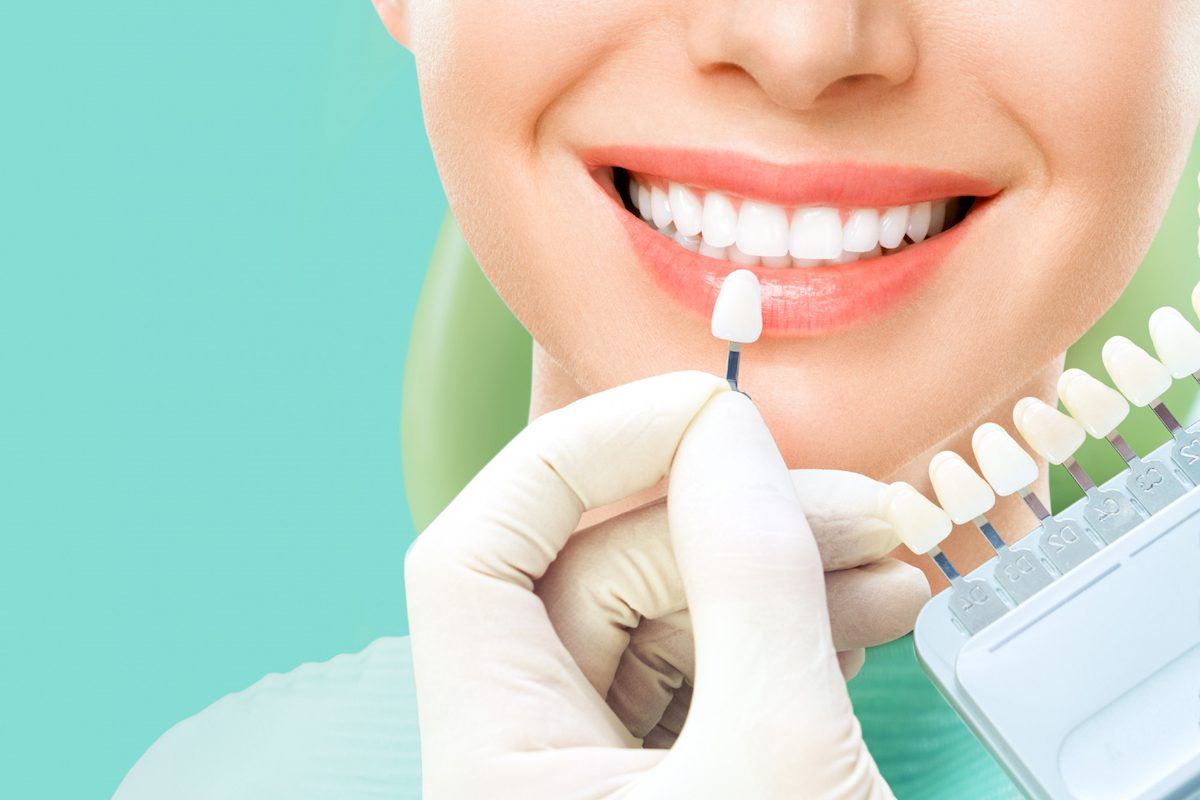
Choosing between composite and porcelain veneers is the question most patients start with, but it is usually the second question. The first is whether veneers suit your teeth at all.
This guide follows that order. It covers when veneers are considered, how the two types are made, the benefits and limits of each, the risks of veneers in general and what to ask at a consultation.
This article is general information only. It describes general options and is not a recommendation. Whether a particular option is suitable for you depends on the findings from an examination of your teeth, gums and bite.
Are Veneers the Right Treatment?
A veneer is a thin shell fitted over the front of a tooth to change its shape, colour or the look of its edge. It changes how a tooth looks. It does not treat decay, gum disease or a problem with your bite, and those are usually dealt with first.
Depending on what bothers you, your dentist may also discuss other options, such as whitening for colour, bonding for a small chip or gap, or orthodontic treatment for crowding. Veneers tend to come up when more than one thing needs changing, or when changes are wanted across several teeth.
Our dental veneers page gives an overview of veneers at Kreativ Dental Albury. This article looks at the choice of material.
How Composite and Porcelain Veneers are Made
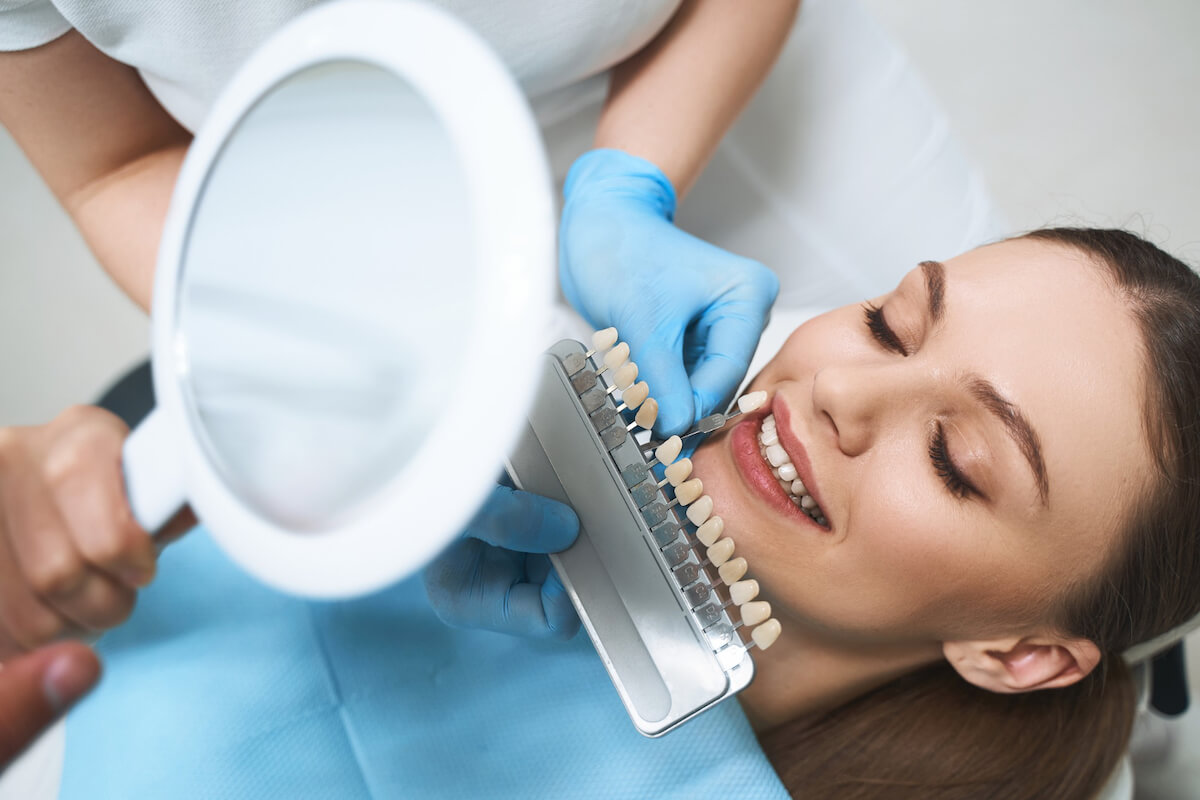
Composite veneers are built directly onto the tooth using tooth-coloured resin, which the dentist shapes and polishes. This is often done in a single visit. Depending on the case, little or no tooth surface may need to be removed.
Porcelain veneers are made in a dental laboratory from impressions or digital scans of your teeth. Some tooth surface is usually removed first. A temporary veneer may be worn while the final one is made, and the veneer is fitted at a later visit, so treatment generally takes more than one appointment.
Your dentist will explain which options are available and suitable for you.
Benefits of Porcelain Veneers
Porcelain is a ceramic material. The benefits generally associated with porcelain veneers include:
- Light-reflecting quality. Porcelain can be made with a translucency similar to tooth enamel, which helps it blend with neighbouring teeth.
- A smooth, glazed surface. Porcelain is less porous than composite resin and generally resists staining from food and drink better.
- Rigidity. Ceramic is a rigid material, and when bonded to the tooth, it is designed to withstand normal biting forces.
- Scope for larger changes. Because the veneer is shaped in a laboratory, porcelain can suit bigger changes in shape or shade across several teeth.
- Planned shade and shape. These can be discussed and agreed with your dentist before the veneer is made.
These benefits come with limitations. Porcelain involves removing some tooth surface, which cannot be undone. It usually needs more than one appointment. It can chip or crack, and a damaged porcelain veneer often needs to be replaced rather than repaired. No veneer lasts forever, and results vary between patients.
What Composite Veneers Offer
Composite veneers are generally associated with:
- Fewer appointments, as they are often completed in one visit.
- Less tooth preparation in many cases.
- Repairs in the chair. A chipped composite veneer can often be repaired without replacing the whole veneer.
The limitations are that resin is more porous than porcelain, so it can pick up stain and may dull or wear over time. It may need polishing, repair or replacement, and it has limits on how much shape or shade change it can deliver.
Situations Where One May Be Considered Over the Other
These are general patterns and not recommendations. Your dentist will assess your own teeth.
- One chipped or uneven front tooth. Composite is often discussed because it can be built on a single tooth. Matching the colour to neighbouring teeth matters for either type.
- Several front teeth with noticeable shape or colour changes. Porcelain is often discussed for broader changes.
- Wanting to keep tooth preparation to a minimum. Composite is more often discussed, as it may need little or no removal of tooth surface. Other treatments may also be worth asking about.
- Teeth that grind or clench. Either type can chip under heavy force. Your dentist may suggest an occlusal splint to protect them.
What Your Dentist Considers
Before recommending veneers, your dentist will usually look at:
- The condition and strength of your teeth, including any decay or large fillings.
- The health of your gums.
- Your bite, and whether you grind or clench.
- What you want to change, and what is realistic for your teeth.
- Timing and budget.
- Whether teeth whitening should come first. Whitening changes natural tooth colour only, so it is usually done before veneers so the shade can be matched.
Risks and Limitations of Veneers
Veneers are a dental procedure, and all dental procedures carry risks. Your dentist should explain them before you decide to go ahead. They include:
- Tooth sensitivity, particularly after tooth preparation.
- Chipping, cracking or a veneer coming loose.
- Colour mismatch if your natural teeth change colour or are whitened later.
- Gum irritation around the edge of a veneer.
- Changes that cannot be undone. Tooth surface removed for a porcelain veneer does not grow back.
- Maintenance or replacement over time.
- Not suiting everyone. Untreated decay or gum disease, heavy grinding or limited enamel can all affect whether veneers are suitable.
Results vary between patients, and a veneer cannot guarantee the appearance you have in mind. Alternatives exist, and your dentist can talk you through them.
Questions to Ask at Your Consultation
- Are veneers the right option for my teeth, or would another treatment suit me better?
- Which types of veneers are available, and which would you suggest for me?
- How much tooth surface would be removed?
- What are the risks and limitations in my case?
- What maintenance should I expect, and what happens if a veneer chips?
- What are the total costs and what do they include?
- Do I need any treatment first?
Veneer FAQs
Are veneers reversible?
Porcelain veneers are not, because tooth surface is removed. For composite, it depends on how much preparation was needed. Ask your dentist what applies in your case.
Will veneers look natural?
It depends on the shade, shape and translucency, and how well they match your other teeth. This cannot be guaranteed. Your dentist can explain what is realistic for your teeth.
Can veneers straighten crooked teeth?
They can change the look of teeth that are slightly uneven, but they do not move teeth. If alignment is your main concern, ask about orthodontic options.
How do I look after veneers?
Brush with a soft toothbrush and fluoride toothpaste, clean between your teeth, avoid biting hard objects and keep up your regular check-ups. If you grind your teeth, ask about protection.
Book a Dental Veneers Consultation in Albury
Weighing up veneers, or not sure whether they suit your teeth? The next step is an examination.
At Kreativ Dental Albury, your dentist can look at your teeth, gums and bite, talk through the options that fit your goals and explain the risks and limitations before you decide on anything.
Call us on (02) 6021 4171 or book online to arrange a dental veneers consultation. You can also read about dental veneers in Albury.
We are at 525 Wilson St, Albury NSW 2640, and we welcome patients from Albury, Lavington, Thurgoona, West Albury, and Wodonga.
This article is general information and does not replace advice from a registered dental practitioner. All dental procedures carry risks. Results vary between patients. Ask your dentist whether the treatment is appropriate for you.