
All-on-4 and Full-Arch Implants: What the Treatment Involves
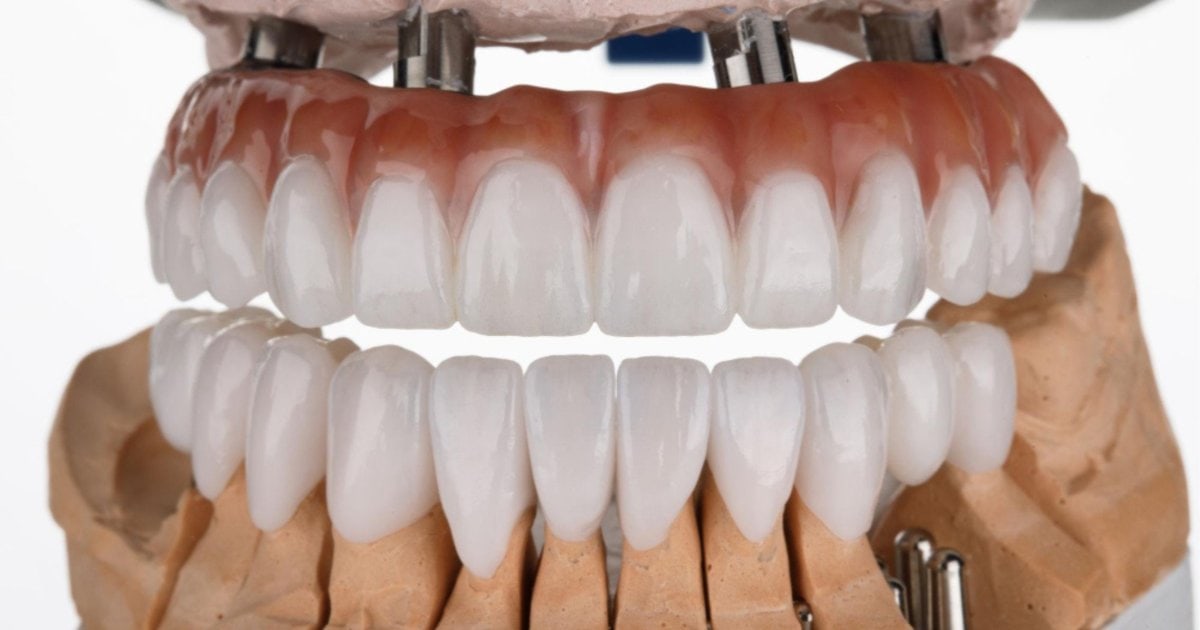
All on 4 dental implants are one approach to replacing a full arch of missing or failing teeth with a fixed, implant-supported set, rather than a removable denture. This guide explains what the treatment generally involves, how it differs from other tooth replacement options, and what’s realistic to expect, including the assessment process and the risks involved in any implant surgery.
What All-on-4 Dental Implants Are
All-on-4 refers to a full-arch implant approach where a set of implants, commonly four per arch, though the exact number depends on the individual case, is placed in the jawbone to support a full row of replacement teeth. Rather than placing one implant per missing tooth, the implants are positioned to support an entire fixed prosthesis across the arch.
It’s one of a few types of dental implants used to replace missing teeth, generally considered for patients who are missing most or all of their teeth in an arch, or whose remaining teeth aren’t able to be saved.
Full-Arch Implants vs Implant-Supported Dentures
These two terms are sometimes used loosely, but they describe different things. A full-arch fixed implant prosthesis is generally not designed to be removed by the patient day to day; it’s attached to the implants and only removed by a dentist for maintenance.
An implant-supported denture, sometimes called an overdenture, is designed to be removable, clipping onto a smaller number of implants for stability while still coming out for cleaning, similar in that respect to a conventional denture.
Both rely on implants for support, but they differ in daily care, feel, and how they’re maintained long-term. Which is more suitable depends on the individual case and is something to discuss as part of an assessment.
What “Teeth in a Day” Actually Means
“Teeth in a day” refers to a same-day loading protocol, where a temporary fixed prosthesis is attached to the implants on the same day they’re placed, rather than waiting for the healing period to finish first. This is a specific clinical approach that depends on several factors, including bone quality and quantity, the stability achieved when the implants are placed, and the individual’s overall suitability.
It isn’t appropriate or achievable for every case, and whether a same-day temporary prosthesis is realistic is something that can only be determined through an individual assessment, not assumed in advance. A temporary prosthesis placed this way is generally followed later by a definitive one once healing is complete.
Who All-on-4 Is Generally Considered For
This approach is typically considered for patients who have lost most or all of their teeth in an arch, or have remaining teeth affected by extensive decay or gum disease that can’t reasonably be saved. It’s sometimes considered as an alternative for patients currently wearing a full denture who are looking for a fixed option instead.
Suitability also depends on having enough bone to support the implants, or being a suitable candidate for bone grafting if there isn’t. None of this can be determined without an individual assessment, since it depends on each patient’s specific oral and general health.
The Assessment Process
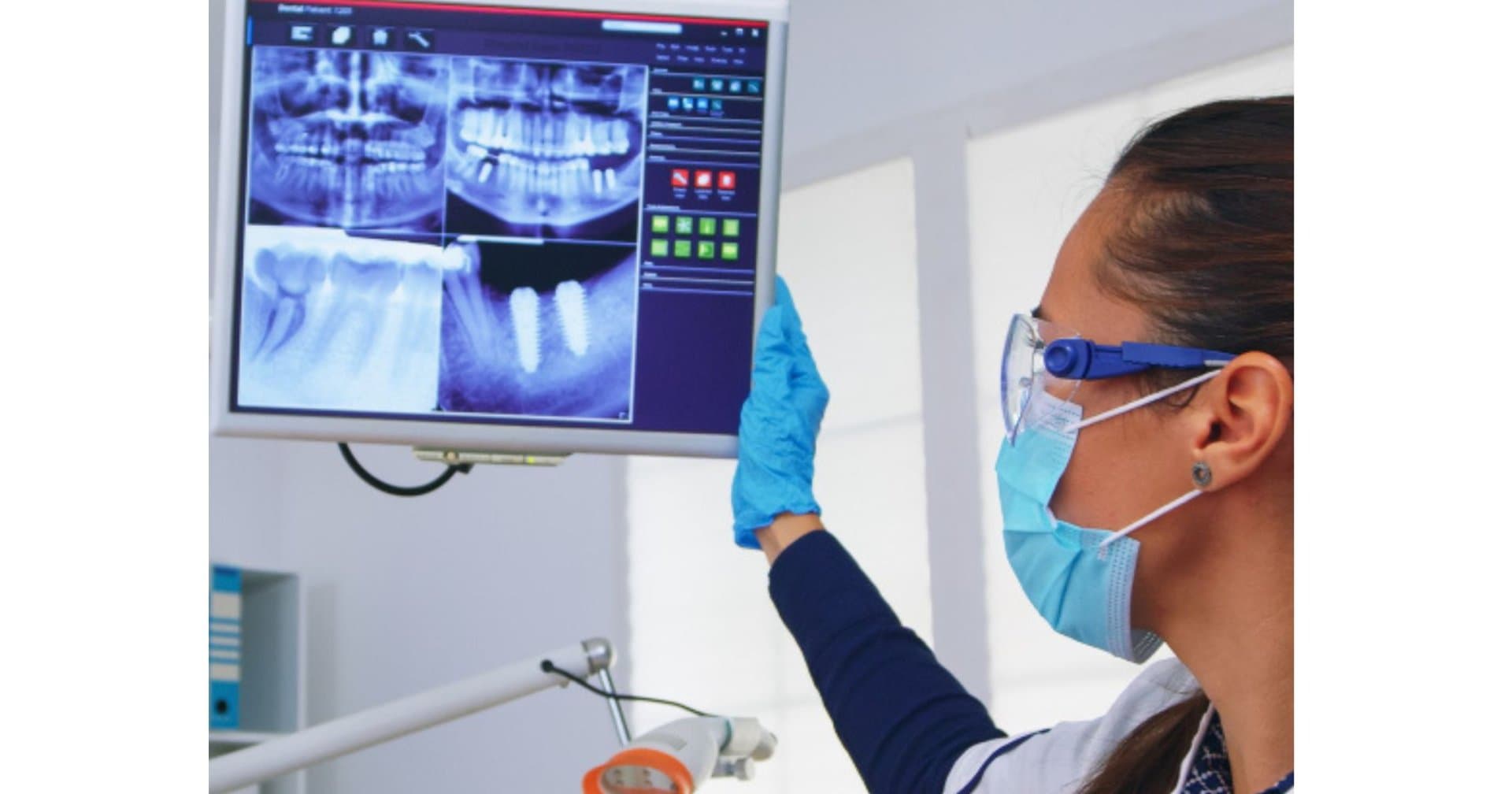
Planning for full-arch implant treatment usually begins with a review of your medical history, an oral examination, and appropriate imaging to evaluate the amount and condition of available bone. This planning stage is used to work out implant positioning, whether bone grafting is needed, and whether the case is suitable for immediate loading or requires a staged approach instead.
Suitability for this treatment, including whether same-day teeth are realistic for a given case, can only be determined through this kind of individual assessment.
What the Surgery Generally Involves
Full-arch implant surgery generally involves placing the implants into the jawbone under anaesthetic, with the specific approach depending on the treatment plan developed during assessment. Depending on the case, a temporary prosthesis may be fitted at the same appointment or shortly after, while the implants undergo a healing process called osseointegration, where bone fuses to the implant surface over a period of months.
Once healing is confirmed, a definitive prosthesis is generally fitted. As with any surgical procedure, healing time and the overall process vary between patients, and outcomes aren’t guaranteed for every case.
Full-Arch Implants Cost
Cost depends on a number of factors: the number of implants used, whether bone grafting is needed, the materials used for the prosthesis, and the complexity of the individual case. Because of this range, a general figure isn’t a reliable guide to what a specific case will cost. An itemised quote following a full assessment is the way to get an accurate picture for your situation.
Risks and Considerations
As with any surgical or invasive procedure, full-arch implant treatment carries risks, and outcomes vary between patients. These can include:
- Implant failure, where an implant doesn’t integrate successfully with the bone and needs to be removed or replaced.
- Infection at the surgical site.
- Nerve involvement, particularly in the lower jaw, which can result in temporary or, less commonly, longer-lasting altered sensation.
- The need for bone grafting, which adds to the complexity, cost, and healing time of the overall treatment.
- Complications with healing, which can affect the timeline for fitting the definitive prosthesis.
- The possibility that a same-day temporary prosthesis isn’t achievable, even if initially planned, depending on what’s found during surgery.
These risks are worth discussing directly with a dentist as part of any assessment, alongside your individual medical history and any factors that might affect healing.
Full-Arch Implants vs Traditional Dentures
Both are established ways to replace a full arch of missing teeth, and neither is automatically the right choice for everyone. A fixed full-arch implant prosthesis doesn’t come out day to day and is generally intended to feel more like natural teeth in terms of stability when eating and speaking. Still, it involves surgery, a healing period, and ongoing maintenance requirements around cleaning under and around the prosthesis.
A conventional denture doesn’t require surgery and is generally lower in upfront cost, but can be less stable and needs to be removed for cleaning. Which suits a particular patient depends on their oral health, general health, budget, and personal preference, and is best worked through with a dentist directly.
FAQ
What’s the difference between All-on-4 and getting individual implants for each tooth?
All-on-4 uses a smaller number of implants, generally around four per arch, to support a full row of replacement teeth, rather than placing one implant per missing tooth. It’s generally considered when most or all teeth in an arch are missing or need to be replaced.
Can I really get teeth in a day with All-on-4?
Same-day loading, sometimes called “teeth in a day,” is a specific protocol that depends on individual factors like bone quality and implant stability at the time of surgery. It isn’t achievable for every case, and whether it’s realistic for you can only be determined through an assessment.
How long does the full-arch implant process take from start to finish?
This varies between patients. It generally includes an assessment period, the surgery itself, a healing period of several months for the implants to integrate with the bone, and then fitting of the definitive prosthesis. Your dentist can give you a clearer timeline based on your specific case.
Is everyone a candidate for All-on-4?
No. Suitability depends on factors including bone volume, general health, and the condition of the jaw. Some patients who don’t initially have enough bone may be candidates for bone grafting, while others may be better suited to a different treatment approach entirely.
What happens if I’m not suitable for All-on-4?
There are other options for replacing missing teeth, including individual implants, implant-supported dentures, or conventional dentures, depending on your situation. An assessment is the way to understand which options are realistic for you.
Are full-arch implants painful?
Local or general anaesthetic is used to manage discomfort during the surgery itself, and individual experiences of comfort during and after treatment vary. As with any surgical procedure, some discomfort during healing is expected and can generally be managed with guidance from your dentist.
Ask About All-on-4 and Full-Arch Implants in Albury
Whether All-on-4 or another option is right for you depends on an individual assessment of your oral health, bone structure, and overall suitability. If you’d like to understand your options, get in touch and ask what an assessment for full-arch implants would involve.
At Kreativ Dental Albury, we welcome patients from Albury, Lavington, Thurgoona, West Albury, and Wodonga.
Call us on (02) 6021 4171 or book online. Visit us at 525 Wilson St, Albury.
Any surgical or invasive procedure carries risks. Before proceeding, consider seeking a second opinion from an appropriately qualified health practitioner.