
How to Stop Receding Gums Getting Worse
Once gum tissue has receded, it doesn’t grow back on its own — home care doesn’t reverse recession that’s already happened. If you’re looking into how to stop receding gums from getting worse, the real answer is addressing the factors driving further recession, which is the more useful goal day to day. This covers what causes gum recession to progress, what can help slow it down, and when it’s a sign to see a dentist rather than manage at home.
Why Gum Recession Doesn’t Reverse Itself
This is worth being clear on from the start: gum recession is the loss of gum tissue, exposing more of the tooth root. Once that tissue is gone, brushing differently or using a particular toothpaste doesn’t bring it back.
This is different from early gum disease (gingivitis), which can improve with better oral care before it causes permanent tissue loss — but once recession has occurred, addressing the cause is about preventing further loss, not undoing what’s already happened.
If the exposed root is significant enough to be a concern cosmetically or functionally, that’s addressed through a dental procedure such as a gum graft, not through home care.
What Causes Gum Recession to Progress
Gum disease. Bacteria and plaque build up around the tooth and under the gum line, causing inflammation that, over time, can lead to loss of the gum tissue and supporting bone around the tooth.
Brushing technique. Excessive brushing pressure and hard-bristled toothbrushes can wear away gum tissue over time. The relationship between brushing and recession isn’t entirely settled in the research, but brushing technique is one of the more controllable factors, which is part of why it’s worth addressing regardless.
Teeth grinding or clenching. Excess force on the teeth can affect the surrounding gum and bone over time.
Misaligned teeth or bite. Teeth that sit outside the normal dental arch, or an uneven bite, can place uneven pressure on the gum tissue around specific teeth.
Tobacco use. Tobacco products are linked to gum disease and can affect how well gum tissue responds to irritation or infection.
Genetics and gum thickness. Some people naturally have thinner gum tissue, which is more prone to recession under the same conditions that a thicker gum type might tolerate without issue.
Which of these is driving recession in a particular case is identified through an exam — for many people it’s more than one factor at once, not a single cause.
What Can Help Slow It Down
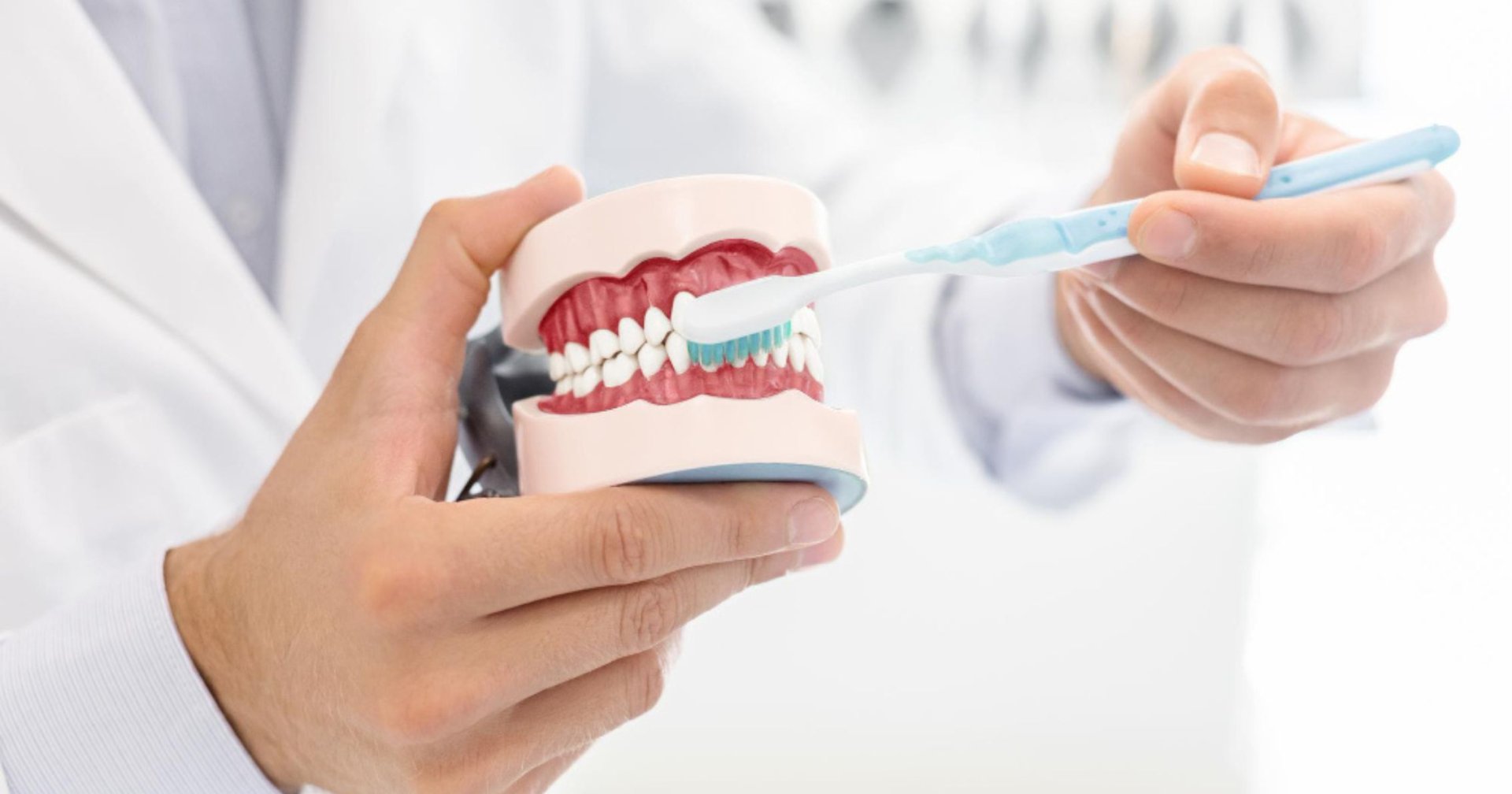
Gentle brushing technique. A soft-bristled toothbrush, light pressure, and a technique that cleans along the gum line without scrubbing aggressively against it can reduce mechanical wear on the gum tissue. Your dentist or hygienist can check your technique and point out anything worth adjusting.
Treating gum disease if it’s present. If gum disease is identified as a factor, treating it — through professional cleaning and, depending on severity, further periodontal treatment — addresses one of the main drivers of ongoing recession.
Addressing grinding. If grinding or clenching is a factor, a custom night guard (occlusal splint) may be recommended to reduce the force placed on teeth and surrounding tissue.
Quitting tobacco. Reducing or stopping tobacco use removes one of the risk factors for gum disease and recession progressing further.
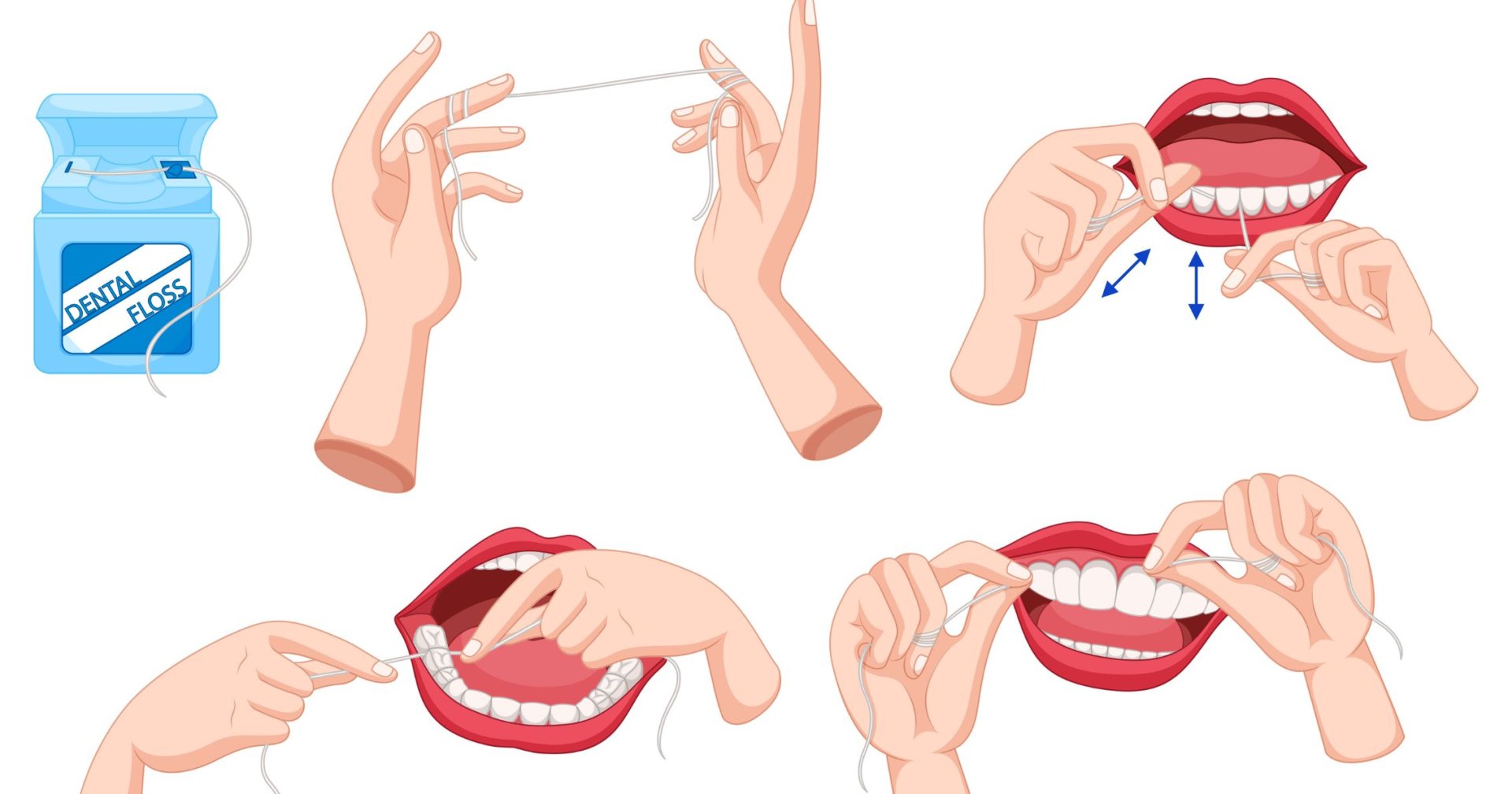
Regular professional dental cleaning. Plaque and calculus that build up at and below the gum line contribute to gum disease and recession, and aren’t fully removed by brushing and flossing alone — this is what professional cleanings are for.
None of these reverse recession that’s already occurred. What they can do is address the factors contributing to further recession — how much difference that makes varies between individuals and depends on which factors are actually driving the recession in your case.
When It Needs Professional Treatment
Some signs are worth having assessed rather than managed with home care alone:
- Sensitivity to hot, cold, or sweet at the gum line, where the root has become exposed
- Visible root exposure that’s noticeably progressing over time
- Gums that look uneven from one tooth to the next
- Discomfort or a change in how a tooth feels when brushing or flossing that area
An exam is what identifies the cause and whether treatment beyond home care — such as a deep clean, periodontal treatment, or in some cases a gum graft to cover areas of exposed root surfaces — is appropriate for your situation. This isn’t something to self-diagnose or wait out.
Frequently Asked Questions
Can receding gums grow back?
No — gum tissue that’s been lost doesn’t regenerate on its own. Addressing the cause can help prevent further recession, but existing exposed root surface is only addressed through a dental procedure, such as a gum graft, not through home care.
Does brushing too hard cause receding gums?
It’s considered one of several possible contributing factors, alongside gum disease, grinding, and genetics, among others. The research on brushing specifically isn’t fully settled, but brushing gently with a soft-bristled brush is a reasonable precaution regardless of the exact cause in your case.
Is gum recession the same as gum disease?
Not exactly — gum disease is one of the causes of gum recession, but recession can also result from brushing technique, grinding, misaligned teeth, or genetics, independent of gum disease. An exam is what identifies which factor or factors apply to you.
Can toothpaste or mouthwash stop receding gums?
No product reverses tissue that’s already been lost. Some toothpastes and mouthwashes support gum health as part of an overall routine. Still, they aren’t a substitute for addressing the underlying cause of recession or for professional treatment where it’s needed.
When should I see a dentist about receding gums?
If you notice sensitivity at the gum line, visibly progressing root exposure, or uneven gum levels between teeth, it’s worth having it assessed rather than waiting to see if it stabilises on its own.
Receding Gums in Albury
If you’ve noticed your gums receding or changing, we’re happy to take a look and talk through what’s causing it.
At Kreativ Dental Albury, we welcome patients from Albury, Lavington, Thurgoona, West Albury, and Wodonga.
Call us on (02) 6021 4171 or book online. Visit us at 525 Wilson St, Albury.
Any surgical or invasive procedure carries risks. Before proceeding, consider seeking a second opinion from an appropriately qualified health practitioner.