
Mouth Ulcers: Causes, Treatment and When to See Your Dentist
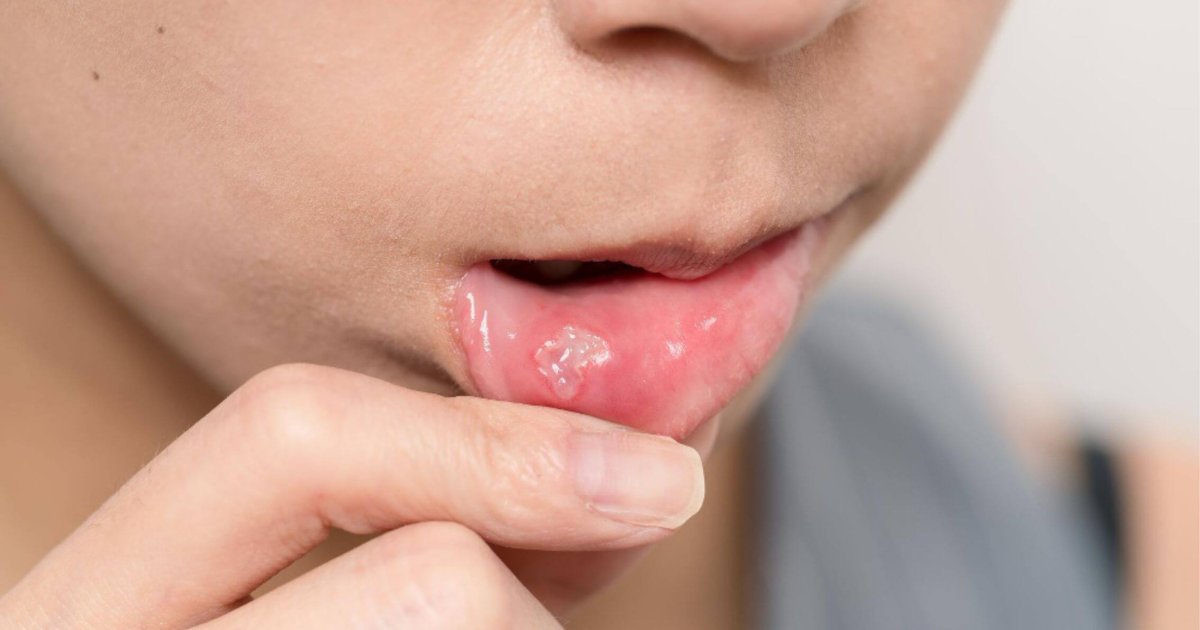
A mouth ulcer appears, everything you eat becomes uncomfortable for a week, and then it heals. For most people, that’s the full story. But ulcers that come back frequently, take longer than usual to heal, or look different from the typical pattern are worth paying attention to.
Here’s what causes them, what helps while they’re healing, and when a dentist should take a look.
What Are Mouth Ulcers?
Mouth ulcers are small open sores that form on the soft tissue inside the mouth — the inner cheeks, gums, tongue, or lips. They’re typically round or oval with a white or yellow centre and a red border. Most are under a centimetre in size and heal on their own within one to two weeks.
The most common type is the aphthous ulcer, also called a canker sore. A virus does not cause these, and they are not contagious — which sets them apart from cold sores, which appear on the outer lip, are viral in origin, and can spread through contact.
What Causes Them?
Ulcers often appear without an obvious reason. That said, these triggers come up consistently:
Minor injury
Biting the inside of the cheek, catching the gum with a toothbrush, or irritation from a sharp tooth or appliance are the most straightforward causes. The ulcer typically appears within a day or two of the injury and heals without intervention.
Acidic and spicy foods
Citrus fruits, tomatoes, pineapple, and spicy foods can trigger ulcers in susceptible people and make existing ones significantly worse. Toothpastes containing sodium lauryl sulphate have also been linked to increased frequency in some patients.
Stress
Ulcers appear more often during periods of stress, illness, or disrupted sleep. The link is well established, though the exact mechanism isn’t fully understood.
Nutritional deficiencies
Low B12, iron, or folate levels are associated with recurring ulcers. If ulcers keep returning without a clear trigger, a blood test to check these is worth discussing with a GP.
Hormonal changes
Some people — particularly women — notice ulcers following a pattern tied to their menstrual cycle. They’re also more common during pregnancy.
Medicines
NSAIDs, beta-blockers, and some chemotherapy agents list mouth ulcers as a known side effect. If frequency increases after starting a new medication, flag it with the prescribing doctor.
What They Look Like and What to Expect
A typical ulcer starts as a tingling or burning spot, becomes an open sore within a day, then heals gradually from the edges inward. Pain is usually at its worst in the first two to three days and eases as the ulcer heals.
Most resolve within seven to fourteen days. Some people get minor ulcers in small clusters rather than one at a time — this is normal. Major aphthous ulcers are less common, larger, take several weeks to heal, and may leave a small scar once resolved.
Home Care
Nothing makes an ulcer disappear overnight, but these measures help with comfort and healing.
Saltwater rinse
A few drops of salt in a glass of warm water, rinsed several times throughout the day for 30-60 seconds each. Keeps the area clean, reduces inflammation, and discourages bacterial activity. Stings at first but settles quickly.
Over-the-counter gels and pastes
Topical anaesthetic gels — containing benzocaine or lidocaine — numb the area temporarily. Protective pastes form a barrier over the ulcer and reduce irritation from food and saliva. Both are available at pharmacies without a prescription.
Avoid triggers
Acidic, spicy, and highly processed foods slow healing and worsen pain. Stick to soft, neutral foods while the ulcer is present. If a specific food consistently triggers ulcers, cutting it out is worth trying.
What to avoid
Don’t try to scrub or pop the ulcer — it delays healing and risks secondary infection. Alcohol-based mouthwashes irritate the tissue further and should be avoided until the ulcer has resolved.
When to See a Dentist
Most ulcers don’t need professional attention. See your Albury dentist if:
- An ulcer hasn’t healed after three weeks
- It’s larger than a centimetre
- You’re getting ulcers frequently with little gap between episodes
- Multiple ulcers are appearing at the same time regularly
- The ulcer is accompanied by fever, swollen lymph nodes, or difficulty swallowing
- A sore is painless — this is less typical and worth assessing
- A sore bleeds without being touched, has an irregular border, or appears on the floor of the mouth or under the tongue
Any sore in an unusual location or that doesn’t follow the normal pattern should be assessed to rule out other reasons, such as oral cancer.
Frequently Asked Questions
Are mouth ulcers contagious?
No. A virus does not cause aphthous ulcers and can’t be passed on through contact. Cold sores are contagious, but they appear on the outer lip rather than inside the mouth. If you’re not sure which you have, a dentist can clarify quickly.
Why do I keep getting mouth ulcers?
Recurring ulcers are often linked to stress, diet, hormonal changes, or nutritional deficiencies. If they’re frequent and disruptive, checking B12, iron, and folate is a useful starting point. Persistent recurrence without a clear cause warrants a dental or GP review.
How long should a mouth ulcer take to heal?
Minor ulcers typically heal within seven to fourteen days. Major ulcers can take several weeks. Any ulcer still present after three weeks should be professionally assessed.
Can children get mouth ulcers?
Yes. They’re common in children and teenagers, and their causes and management are similar to those in adults. Frequent or unusually large ulcers in children are worth raising at a dental check-up.
Is there anything that prevents them?
No guaranteed prevention, but identifying and avoiding personal triggers — specific foods, toothpaste ingredients, stress — reduces frequency for many people. Keeping B12, iron, and folate levels adequate helps in patients with deficiencies.
Mouth Ulcers Management in Albury
If you have a mouth ulcer that hasn’t healed after three weeks, keeps coming back, or doesn’t look like a typical ulcer, get it checked.
Call us on (02) 6021 4171 or book online.
Visit us at 525 Wilson St, Albury. We welcome patients from Albury, Lavington, Thurgoona, West Albury, and Wodonga.