
Invisalign in Albury: What to Expect and How It Works
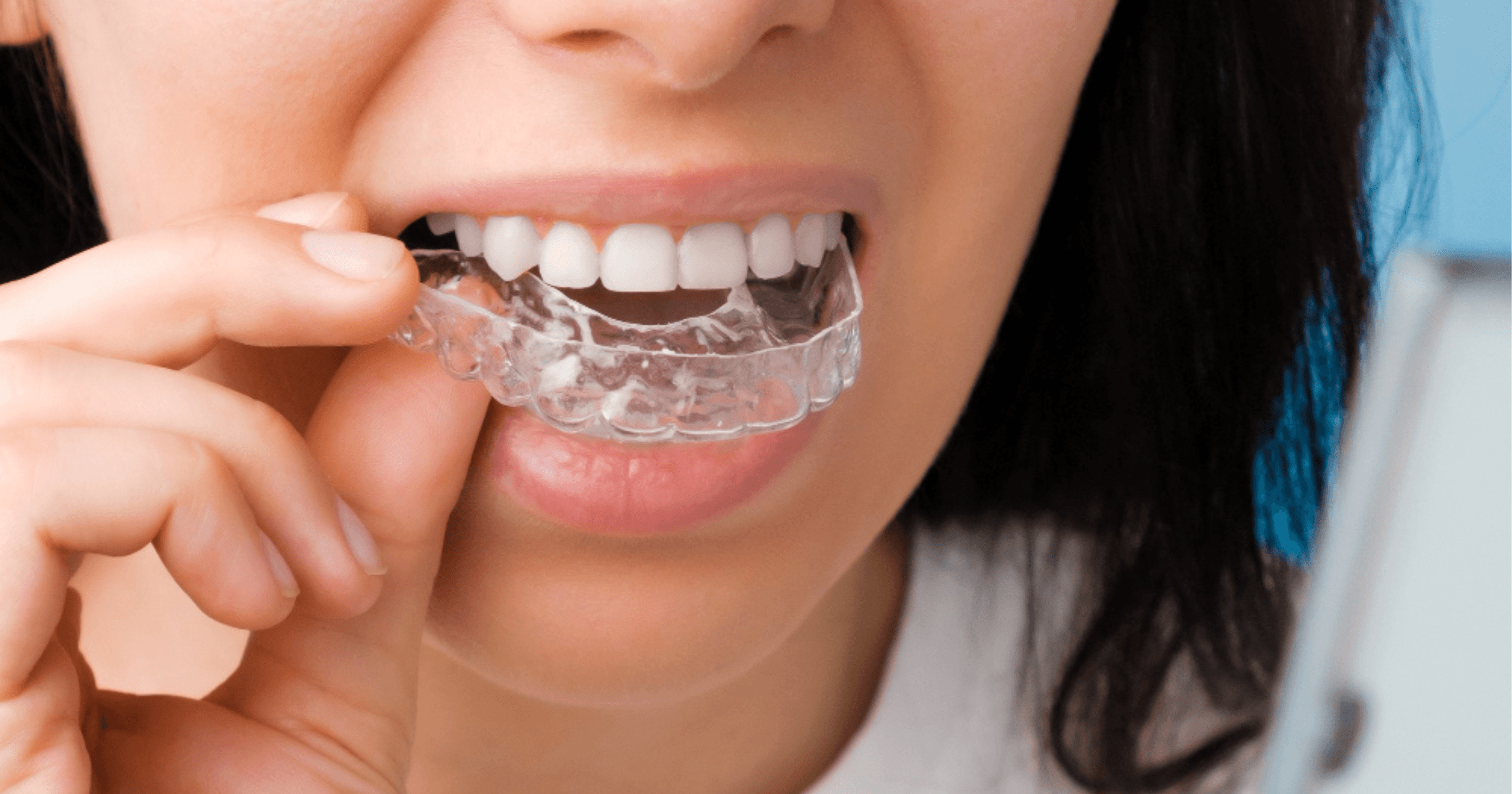
Straightening teeth no longer means committing to years of metal braces and wires. Invisalign gradually moves your teeth into place using a series of clear, removable aligners, and for many people in Albury, it has become a practical alternative to traditional braces.
The appeal is obvious: the aligners are nearly invisible, they come out when you eat, and they don’t interfere with your daily routine the way fixed braces can. But before you decide whether it’s the right path for you, it helps to understand exactly how the treatment works and what the process looks like from start to finish.
How Invisalign Works
Invisalign works by using custom-fitted clear plastic aligners to straighten teeth gradually. Each aligner is slightly different from the last, designed to move specific teeth by a small, precise amount. You wear each one for approximately one to two weeks before progressing to the next in the sequence.
Over the course of treatment, these incremental movements add up to a meaningful shift in alignment.
Made from BPA-free, smooth plastic, the aligners are shaped to fit your teeth closely. Because they’re removable, your oral hygiene routine stays largely the same—brush and floss as normal, and take them out when eating or drinking anything other than water.
There are no food restrictions and no wires to work around when cleaning your teeth.
What makes Invisalign work is precision planning. Before a single aligner is made, a digital scan of your teeth is used by your dentist to map out every step of the treatment process.
Each aligner in your series is manufactured to reflect that plan exactly, which is why wearing them in the correct order and for the recommended amount of time each day is essential.
The complexity of the case determines treatment length. Some people complete treatment in as little as six months; others may require longer. Your treating dentist will give you a realistic timeframe after your initial assessment.
The Invisalign Process: Step by Step
Initial Consultation
The first step is a consultation with your Albury dentist, who will examine your teeth, discuss your concerns, and determine whether Invisalign is suitable for your situation. This includes assessing the degree of crowding, spacing, or bite issues and determining whether clear aligners can address them effectively.
Your dentist will be upfront if another approach would serve you better.

Digital Scanning and Treatment Planning
When Invisalign is recommended, the next step is to take a precise digital scan of your teeth. This replaces traditional impressions and creates an accurate 3D model of your mouth.
The scan allows your dentist to develop a treatment plan outlining the step-by-step movement of your teeth from start to finish. You’ll be able to see a visual representation of the expected outcome before treatment even begins.
Receiving Your Aligners
Once your aligners are manufactured and ready, you’ll return to the clinic to receive your first set. Your dentist will check the fit, walk you through how to insert and remove them correctly, and answer any questions before you leave.
Some cases also require small tooth-coloured attachments to be placed on certain teeth at this stage—these help the aligners grip and apply movement more precisely where needed.
Wearing Your Aligners
Invisalign works effectively when the aligners are worn for 20–22 hours daily. This is the most important variable in the entire treatment.
Wearing them for less than this consistently can slow your progress, affect how your teeth move, or require additional aligners to get back on track. The two to four hours per day you take your aligners out is for eating, drinking, and cleaning your teeth—not for extended periods without them.
You’ll progress through each set of aligners in sequence, and your dentist will schedule periodic dental check-up appointments throughout treatment to monitor your teeth’s response and ensure everything is on track.
Completing Treatment
Once you’ve worked through all your aligners, your dentist will assess the final result. In some cases, refinement aligners may be recommended to fine-tune specific teeth.
Your dentist will also discuss retainer use at this stage. Retainers are worn after treatment to hold your teeth in their new position—without continued use, teeth can slowly shift back toward their original alignment over time.
What Invisalign Can Address
Invisalign is used to treat a range of alignment concerns, including:
- Crowded teeth
- Gaps between teeth
- Mild to moderate overbite or underbite
- Crossbite
- Open bite
The nature and severity of your case determine whether clear aligners are the right approach. More complex bite issues may require alternative or combined treatment.
Your Albury dentist will assess this thoroughly at your consultation and explain what’s achievable with Invisalign in your specific situation.
Invisalign vs Traditional Braces: Day-to-Day Differences
For many patients, the practical differences between Invisalign and traditional braces matter as much as the clinical ones. Here’s how the two compare in everyday terms.
- Visibility. Invisalign aligners are clear and sit flush against your teeth. Most people won’t notice them unless they’re looking closely. Traditional metal braces are fixed and visible throughout treatment.
- Eating and drinking. With Invisalign, you remove your aligners before meals. There are no restrictions on what you eat. To protect braces, hard, sticky, and crunchy foods should not be eaten.
- Oral hygiene. Since Invisalign aligners can be taken out, normal brushing and flossing routines apply, whereas braces need more care and specialised tools to clean around brackets and wires.
- Comfort. Both treatments involve some degree of pressure as teeth move. Invisalign aligners are smooth with no brackets or wires, which reduces the likelihood of irritation to the cheeks and gums. New aligners may cause mild pressure for a day or two, but this typically settles quickly.
- Compliance. Braces are fixed, so the treatment works regardless of whether you remember to wear them. Invisalign requires consistent wear. If you’re likely to remove your aligners frequently or for extended periods, it affects the outcome.
Neither option is universally superior—the right choice depends on your case, your lifestyle, and what you’re comfortable committing to. Your dentist will help you weigh this up.
Practical Things to Know Before You Start
- Clean your aligners daily. Rinse them each time you remove them and clean them thoroughly at least once a day to prevent discolouration and buildup. Your Albury dentist will advise on the best approach.
- Build the removal routine early. You’ll take your aligners out before eating and brush before putting them back in. Getting into this habit from day one keeps the process straightforward and protects your wear time.
- Some speech adjustment is normal. A slight lisp or change in speech is common in the first few days with a new aligner. It resolves quickly as your mouth adjusts.
- Keep your case with you. When you remove your aligners, always put them in their case—not a napkin, not your pocket. Lost or damaged aligners can disrupt your treatment timeline.
- Attend your check-up appointments. These aren’t optional extras. Your dentist uses these visits to confirm your teeth are moving as planned and address anything that needs adjusting before it becomes a bigger issue.
Invisalign in Albury
If you’re considering Invisalign in Albury and want to know whether it’s the right option for your teeth, the best next step is a consultation with our team. We’ll assess your alignment, walk you through what treatment would involve for your specific situation, and give you a clear picture of what to expect before you commit to anything.
At Kreativ Dental Albury, we welcome patients from Albury, Lavington, Thurgoona, West Albury, and Wodonga.
Call us on (02) 6021 4171 or book online. Visit us at 525 Wilson St, Albury.